Original or Edited? How to Judge an Edit Honestly
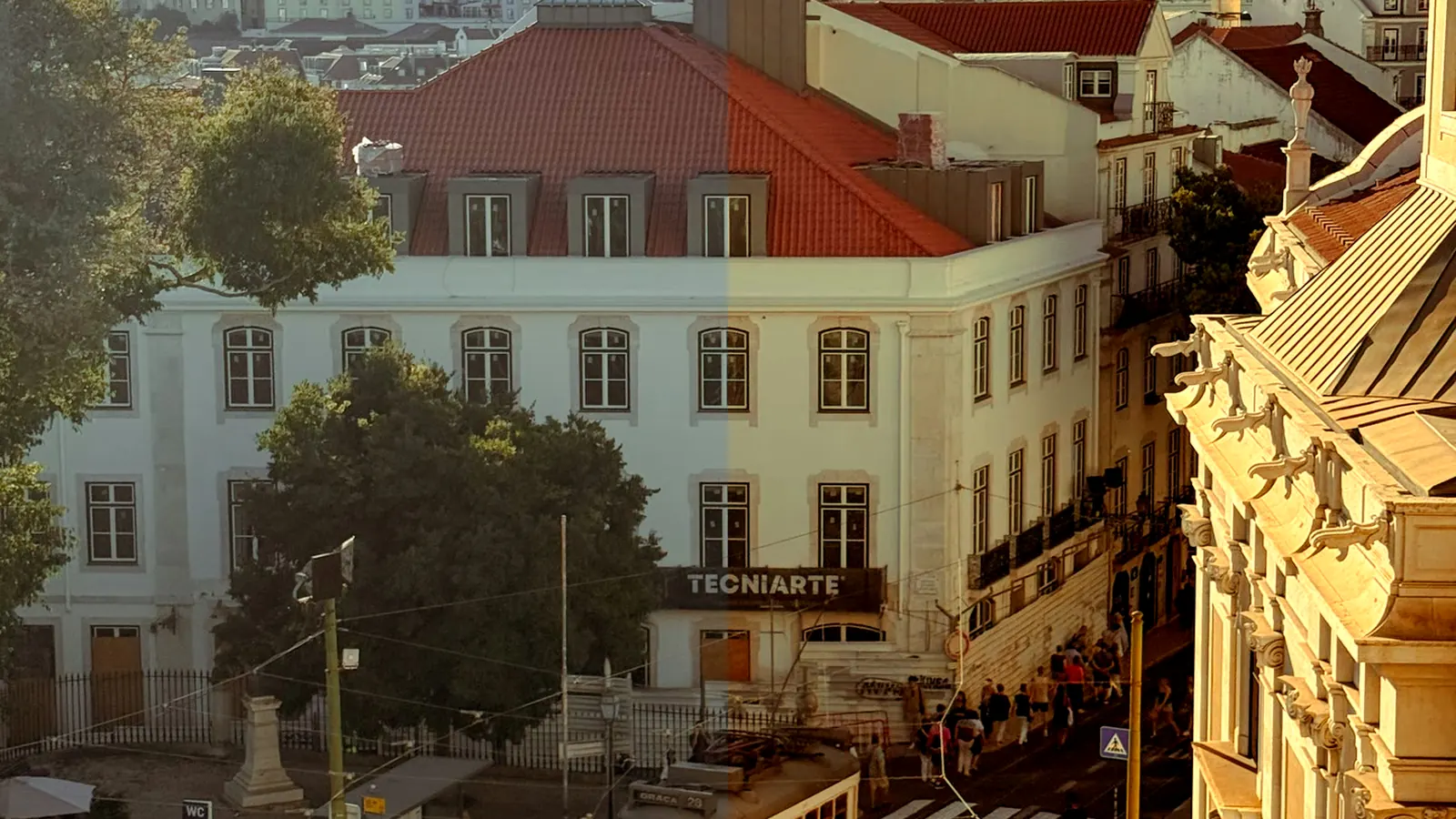
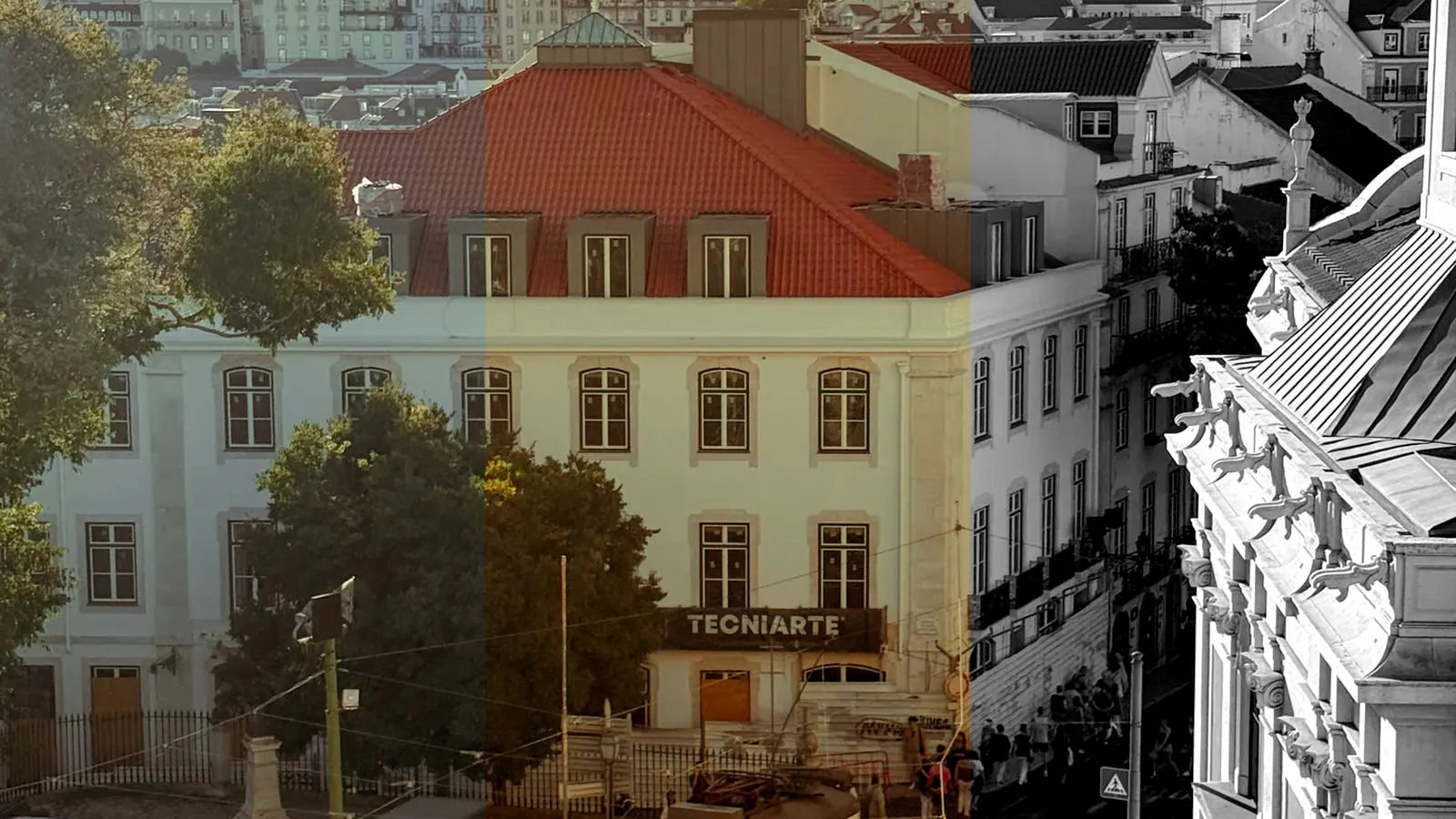
- Compare the original and the edit at the same size and brightness, flipping quickly and slowly, then look again after a break.
- Split "better" into clearer subject, kept mood, believability, detail and truth to the scene.
- Cropping, rotating and adjusting tone and color change how a scene looks; adding or removing things changes what it shows.
- Votes and comments measure taste, not truth: look for patterns over many photos, not one result.
To judge an edit honestly, compare it with the original at the same size and brightness, decide whether it changed how the photo looks or what is in it, and ask whether someone who stood beside you would recognize the moment. Edits that serve the photo pass this test. Edits that replace it do not.
Most of us edit by feel, and feel is unreliable. After a few minutes with a photo your eyes adapt, a stronger edit starts to seem normal, and the original begins to look dull. This guide gives you a repeatable way to compare, a short list of what "better" can mean, and a clear view of where enhancement ends and alteration begins. It sits in our wider series on privacy and authenticity.
Why compare the original and the edit at all?
Because "better" is only visible in contrast. A photo that looks great alone may look overcooked next to the original, and an edit that looks timid may turn out to be exactly right. Comparing also protects you from the editing spiral, where each small adjustment seems fine but the sum drifts far from the scene you saw.
It helps your skills too. When you flip between two versions, you learn which adjustments actually change the picture and which only change your impression of it. That feedback loop is the quickest way to develop restraint, which is the quality most good editors share.
How do you compare an edit fairly?
Use a routine that removes the usual biases: fatigue, brightness differences and the pull of whatever you saw last.
- View both versions at the same size and with the same screen brightness. A brighter edit on a dim screen is not a fair comparison.
- Flip between them quickly, then slowly. The quick flip shows the overall change; the slow one shows details like skin and edges.
- Look at the places that break first: faces, the brightest sky or window, and the darkest shadows.
- Step away for a few minutes, or until tomorrow, and look again with fresh eyes.
- Say out loud what the edit added and what it removed. If you cannot name them, you may be reacting to a general feeling, not a real improvement.
If you do this once on each photo you plan to share, you will be surprised how often the answer is "a little less".
What does "better" actually mean?
People use the word for different things, which is why they disagree. Splitting it into questions makes your judgment sharper.
| Question | Signs the edit helped | Signs it hurt |
|---|---|---|
| Is the subject clearer? | The eye lands on the subject faster; distractions are calmer | Everything is equally loud, or the subject lost contrast |
| Does it keep the mood? | The warmth, quiet or energy of the moment is still there | The scene looks generic, as if from a stock library |
| Is it believable? | Skin, skies and whites look natural | Orange skin, neon foliage, glowing edges |
| Is there detail? | Highlights and shadows still hold texture | Burnt windows, gray shadows, mushy detail |
| Is it still true? | Someone who was there would recognize the scene | Things were added, removed or reshaped |
A single edit can improve one question and damage another. Brightening a face may help clarity and hurt mood. Naming the trade-off is better than pretending it does not exist.
Where is the line between enhancement and alteration?
Cropping, rotating and adjusting tone and color are long-established darkroom practices. They change how a real scene is presented without changing what happened in it. Removing a bin, adding birds to a sky or reshaping a face is different: it changes the facts in the picture. Many people accept the first group and feel misled by the second, particularly when the photo is presented as it was.
There is room for judgment, such as cropping out a distracting stranger, but the question stays the same: does the picture still describe what was there? We unpack the issues in generative AI versus authentic editing. If your aim is to keep edits modest, natural photo editing offers practical limits, and color grading for phone photos shows how to choose a look at a believable strength.
Why does press-and-hold comparison work so well?
A side-by-side view lets your eyes jump around, while a press-and-hold view puts the original in exactly the same place, so only the changes move. That makes differences obvious and removes the guesswork. It also teaches you that most good edits look subtle in the comparison and strong in memory.
If you edit often, make holding the original a final step. If the edited version still wins after you let go, you can publish with confidence. If you caught yourself wanting to return to the original, trust that feeling and lower the strength.
What can a vote teach you?
Your own eyes are biased by effort, because you spent twenty minutes on the edit. Other people see it fresh. In WisWit, edited posts ask a simple question: Which is better, Original or WisWit? Press and hold a photo to see the original, then tap a side. You get one vote per post and can change it. People see whether they are Team Original or Team WisWit and how many others agree, and profiles show a WisWit versus Original card.
Use votes wisely. They measure taste, not truth, and small numbers are noisy. A post with a handful of votes tells you little, and one that splits evenly may simply be a matter of preference. What is more useful is the pattern over many posts: if people consistently prefer your originals, your edits may be too heavy; if they prefer the edits, you have found a strength that works. For tips on reading and giving useful reactions, see how to give and get useful photo feedback.
What if people disagree about your edit?
Disagreement is normal. Some viewers like punchy, saturated pictures, others prefer quiet, natural ones, and both are valid. Decide who the photo is for. A travel memory for yourself can be as warm as you like, while a documentary-style photo should stay close to what happened. Take note of repeated comments, not single ones. If three people say the skin looks orange, the skin looks orange.
It also helps to compare different crops before you compare different edits, because framing often makes a bigger difference than color. You can explore that in finding several crops in one photo.
A blind test you can run this week
Pick three photos you have already edited. For each, save the original and the edit. Show each pair to two friends without telling them which is which, in a random order, and ask which they prefer and why. Write down the answers. Then ask yourself what the edit added, what it removed and whether it is still true to the scene. After one round you will have a clear view of your habits, and of the strength at which your edits begin to lose people.
Frequently asked questions
How do I know if I have over-edited a photo?
Compare it with the original after a break. Signs of over-editing include orange or plastic skin, neon colors, glowing edges, crushed shadows and a mood that no longer matches the moment. If a friend who was there would not recognize the scene, reduce the strength of the edit.
Is cropping considered editing the truth?
Cropping changes the frame but not the facts inside it, so most people consider it an honest choice, like deciding where to stand. It can still mislead if it removes important context, so ask whether the crop keeps the meaning of the scene. Choose the version that tells the moment as it was.
Why do I prefer my edit but my friends prefer the original?
You know the work you put in, which biases you, and your eyes adapt to strong edits quickly. Friends see the picture fresh. Try lowering the strength, waiting a day and asking again. If the original wins repeatedly, your editing may be too heavy for that kind of photo.
Should I show the original next to my edit?
It can build trust, especially for travel and documentary photos, and it helps others learn. A before and after view invites honest feedback. For personal or artistic images you may prefer to show only the final result, which is also fine as long as you have not changed what is in the scene.
Do likes or votes prove an edit is better?
No. They show what a group of people liked at that moment, which is useful but limited. Small numbers are noisy, and tastes differ. Look at patterns across many photos and combine them with your own critical eye, rather than treating a single result as the final judgment.