WisWit Blog
Learn to see the frame
Practical guides to composition, cropping and phone photography, written for people who want better photos without complicated editing. Every article is free, ad-free and available in English and Turkish.
Composition
 Start herePhoto Composition: The Complete Guide to Better PicturesA complete photo composition guide: subject placement, leading lines, balance, light and color, a field workflow, and how to fix a frame by cropping.
 CompositionThe Rule of Thirds: How to Use It (and When to Break It)Learn the rule of thirds: how the 3×3 grid works, where to place faces, horizons and moving subjects, how to fix it by cropping, and when to break it.
 CompositionGolden Ratio in Photography: Phi Grid and Golden SpiralHow the golden ratio works in photography: what the phi grid and golden spiral are, how they differ from the rule of thirds, and what the evidence says.
 CompositionLeading Lines in Photography: How to Guide the Viewer's EyeLeading lines in photography explained: the main types, where to find them, how lens and camera height change them, and the mistakes that send the eye away.
 CompositionNegative Space in Photography: Using Emptiness on PurposeNegative space in photography explained: what it is, where to find clean empty areas, how much to leave, and how to keep it from looking like a mistake.
 CompositionSymmetry and Patterns in Photography: How to Use ThemLearn how symmetry and patterns work in photography: when to center your subject, how to break a pattern on purpose, and how to crop for a perfect mirror.
 CompositionFrame Within a Frame: How to Use Natural Frames in PhotosFrame within a frame photography explained: how to find doorways, arches and branches that frame your subject, where to focus, and how to crop the result.
 CompositionVisual Weight and Balance in Photography ExplainedUnderstand visual weight and balance in photography: what makes elements feel heavy, how to balance a frame asymmetrically, and when imbalance works better.
 CompositionForeground, Middle Ground and Background: Adding DepthLearn to use foreground, middle ground and background to add depth to photos: choosing a foreground anchor, lens choice on your phone, and fixing flat shots.
 CompositionDiagonals and Triangles in Photography CompositionHow diagonals and triangles add energy to photo composition: finding real and implied diagonals, arranging three subjects, and using the golden triangle grid.
 CompositionWhere to Place the Horizon in a Photo (and Why It Matters)Learn where to place the horizon in a photo: low, high, centered or gone. Practical rules for sea, sky and landscape shots, plus when to break them.
 CompositionColor Composition in Photography: Using Color on PurposeColor composition explained: complementary, analogous and monochrome palettes, warm vs cool, and how to use one spot of color to lead the eye in your photos.
 CompositionSimplicity and Minimalism in Photography: Shoot by SubtractionSimplicity in photography means removing everything that does not help your subject. Learn simple ways to declutter a frame and shoot clean, minimal photos.
 CompositionComposing With Light and Shadow: A Practical GuideUse light and shadow as composition tools: read light direction and quality, expose for highlights, and turn shadows into shapes that lead the eye.
 CompositionHow to Train Your Photographic Eye: Habits That WorkTrain your photographic eye with daily habits: work the scene, shoot with constraints, review your photos honestly and learn to see light, shape and frame.
 CompositionHow to Give and Get Useful Photo FeedbackLikes do not help you improve. Learn how to ask better questions, give specific feedback and use votes and comments to grow as a photographer.
Cropping
 Start hereHow to Crop a Photo: The Complete GuideLearn how to crop a photo like a photographer: straighten, pick an aspect ratio, place your subject, clean the edges and keep enough resolution to print.
 CroppingAspect Ratios Explained: 3:2, 4:3, 1:1, 4:5 and 16:9Aspect ratios explained in plain terms: what 3:2, 4:3, 4:5 and 16:9 mean, where they come from, how much each crop costs you and how to pick the right one.
 CroppingCropping Photos for Social Media: Sizes, Ratios, Safe ZonesCrop photos for social media without losing heads or text: the key ratios like 4:5 and 9:16, safe zones for Stories, grid previews and a repeatable workflow.
 CroppingHow to Crop Portraits: Where to Cut and How Much HeadroomLearn how to crop portraits well: where to cut the body, how much headroom to leave, where the eyes should sit, and which shot sizes and ratios flatter people.
 CroppingCropping Landscape Photos: Horizons, Panoramas and EdgesCrop landscape photos with confidence: straighten the horizon, decide how much sky to keep, carve a panorama from one frame and clean distracting edges.
 CroppingHow to Straighten a Crooked Photo (and What It Costs You)Learn how to straighten a crooked photo on iPhone or Android, which line to level, and how much resolution each degree of rotation really costs you.
 CroppingHow Much Can You Crop a Photo Before It Falls Apart?How much can you crop a photo? Learn the megapixel math, how many pixels screens and prints really need, and why phone shots break down sooner.
 CroppingCropping Photos for Print: Sizes, Ratios and PPICrop photos for print without surprises: match the print’s aspect ratio, check ppi for each size in cm and inches, and keep labs and frames from cutting edges.
 CroppingOne Photo, Many Crops: Finding Hidden Pictures in a FrameOne photo can hold several strong crops. Learn a step-by-step method to find them, compare them side by side and pick the right crop for each use.
 CroppingCommon Cropping Mistakes and How to Fix Each OneAvoid the most common cropping mistakes: cuts at joints, cramped subjects, wrong ratios, messy edges and over-cropping. Each one comes with a simple fix.
 CroppingHow to Crop a Busy Scene Without Losing the StoryLearn how to find the subject in a crowded photo, what to cut first, and how tight to crop so a busy street scene keeps its story and loses the clutter.
Phone photography
 Start hereSmartphone Photography: The Complete GuideA complete smartphone photography guide: the settings to change first, how to use focus, exposure, lenses and light, and how to compose and edit naturally.
 Phone photographyHow to Turn On the Camera Grid (iPhone & Android)How to turn on the camera grid on iPhone and Android, which grid type to pick, and how to use the lines for level horizons, straight walls and neat framing.
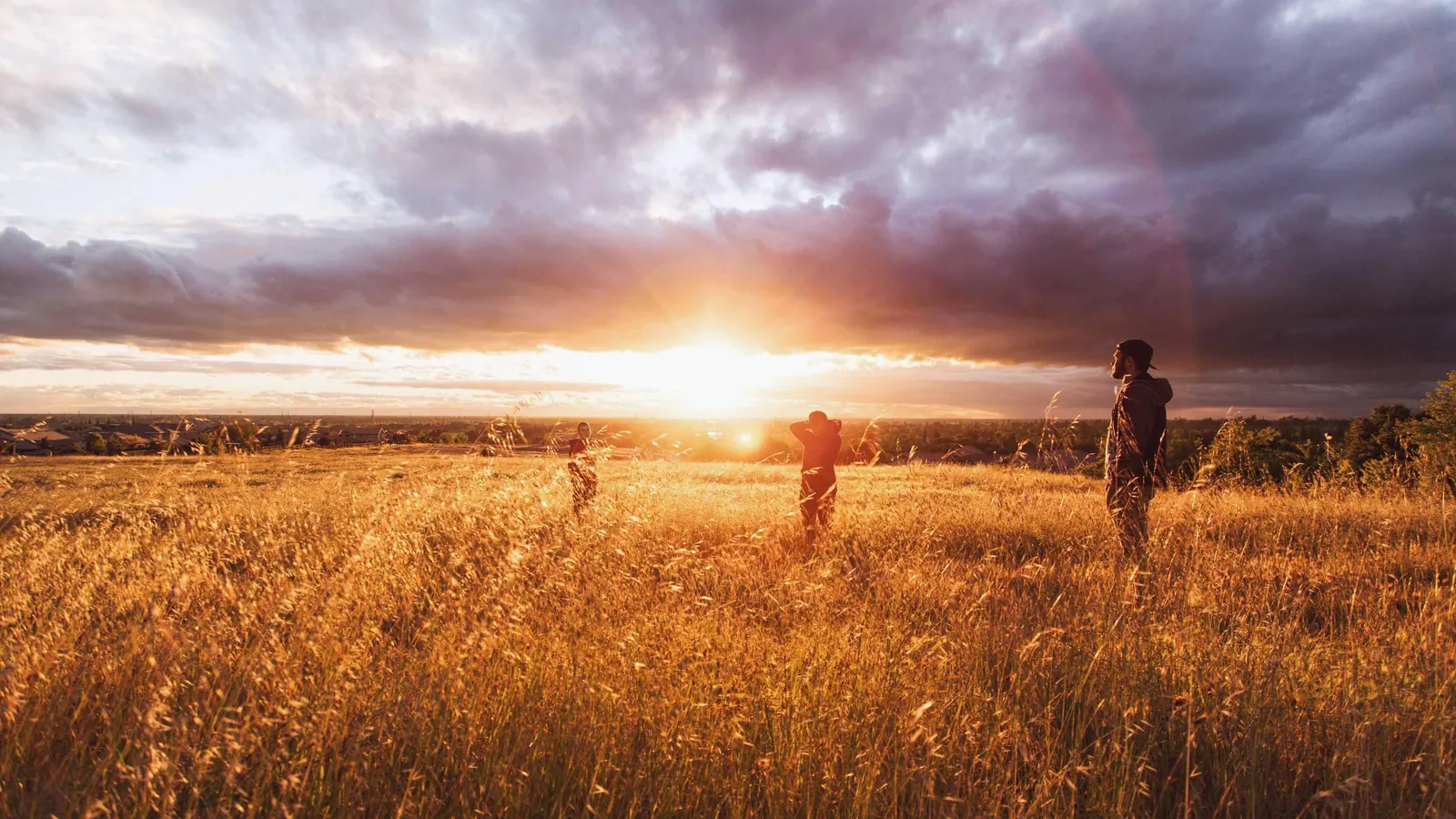 Phone photographyGolden Hour and Blue Hour: Shooting the Best Light With a PhoneWhat golden hour and blue hour are, when they happen, how long they last, and how to set exposure, direction and white balance on your phone to capture both.
 Phone photographyStreet Photography With a Phone: Technique and EtiquetteStreet photography with a phone: settings that catch the moment, how to find and compose scenes, and how to photograph strangers with respect for privacy.
 Phone photographyFood Photography With a Phone: Light, Angles and StylingFood photography with a phone: how to use window light, choose overhead, 45-degree or eye-level angles, style a plate simply and keep colors appetizing.
 Phone photographyTravel Photography With a Phone: A Practical Field GuideTravel photography with a phone: how to prep, find good light on a tight schedule, tell a place’s story in a few frames and share photos safely.
 Phone photographyNatural Photo Editing: Why Less Is MoreNatural photo editing explained: the right order of adjustments, how to fix white balance, which sliders are easiest to overdo and when to stop editing.
 Phone photographyPortrait Photos With a Phone: Light, Lens and PosingTake better portrait photos with a phone: find flattering light, pick the right lens, use Portrait mode wisely and help people relax in front of the camera.
 Phone photographyColor Grading for Phone Photos: Looks That WorkColor grading shapes mood with tone and color. Learn what a look changes, how strong to go, and how to keep skin and skies believable on phone photos.
 Phone photographyAuto Enhance Without Overdoing ItAuto enhance fixes light and color in one tap. Learn where it helps, where it fails, and a 30-second check to catch over-sharpened skin and flat mood.
Privacy & authenticity
 Start hereOn-Device Photo Editing and Privacy: The Complete GuideOn-device photo editing keeps your pictures on your phone. Learn how it differs from cloud editing, what photos reveal and how to check any app’s privacy.
 Privacy & authenticityHow to Remove Location Data From Photos (iPhone and Android)How to remove location data from photos on iPhone and Android, check a picture’s GPS info, stop the camera saving location and share without leaking it.
 Privacy & authenticityGenerative AI vs. Authentic Photo Editing: Where’s the Line?Generative AI vs. authentic photo editing: what separates adjusting real pixels from inventing new ones, why it matters and how to choose honest edits.
 Privacy & authenticitySharing Photos Online Safely: A Pre-Post ChecklistCheck metadata, backgrounds, reflections, audience and consent before you post. A simple pre-post checklist to share photos online without oversharing.
 Privacy & authenticityOriginal or Edited? How to Judge an Edit HonestlyCompare original and edit fairly, name what changed and know where enhancement ends. A practical routine to judge whether an edit really improved your photo.
About this blog
The WisWit Blog is written by the team at Mavi Piksel that builds WisWit. We focus on the decisions that make a photo work — where to put the subject, what to leave out, how to crop — and we keep advice practical, testable and free of invented numbers. Articles are reviewed and updated as phones and platforms change.