Frame Within a Frame: How to Use Natural Frames in Photos
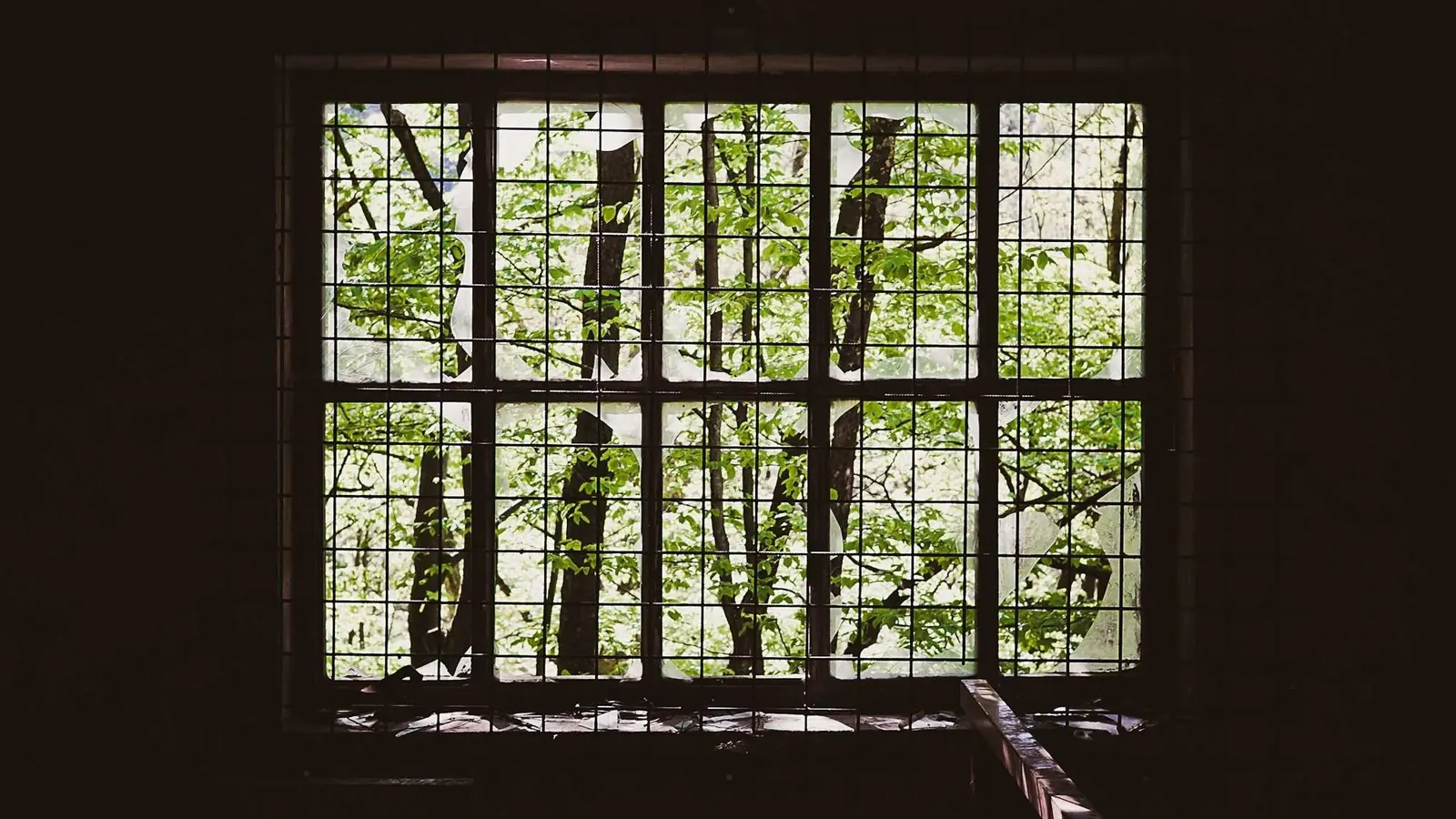
- A frame within a frame uses an element inside the scene, such as a doorway, window, arch or branches, to surround and isolate the main subject.
- Inner frames direct attention, add a sense of depth by separating foreground from background, and hide distracting surroundings.
- The frame should usually be darker or less detailed than the subject it surrounds, so the eye passes through it rather than stopping on it.
- Frames do not have to be complete; a partial frame on two or three sides, or a soft out-of-focus edge, is often more natural.
Frame within a frame is a composition technique where something inside the scene, like a doorway, window, arch, tunnel or overhanging branches, surrounds the main subject and forms a second border inside the photo's edges. It focuses attention on the subject, hides clutter and adds depth by putting a layer between the viewer and what they are looking at.
Why does a frame within a frame work so well?
A photo already has a frame: its four edges. Adding a second, inner frame does three useful things at once.
- It points. An inner frame is a giant arrow. Whatever sits inside it is obviously the subject, even if it is small.
- It creates depth. The frame is closer to the camera than the subject, so the image gains a clear foreground and background. This is the same layering explained in the guide to foreground, middle ground and background.
- It edits the scene for you. A doorway or branch can hide a parked car, a construction site or a plain white sky that would otherwise weaken the shot.
There is also a storytelling effect. Looking through an opening puts the viewer in a position: standing in a dark corridor looking out, peering through a gap in a fence, watching from inside a café. The frame implies where the photographer was, and that sense of place makes images feel more personal and immersive.
What can you use as a natural frame?
Once you start looking, frames are everywhere. They fall into a few families:
| Type of frame | Examples | Typical effect |
|---|---|---|
| Architectural | Doorways, windows, arches, colonnades, bridges, tunnels | Clean geometric edges, strong and formal |
| Natural | Overhanging branches, leaves, cave mouths, rock openings | Soft, organic, less obvious |
| Human-made objects | Car windows, mirrors, fences, a gap between buildings | Playful, candid, often street-style |
| Light and shadow | A pool of light in a dark room, shadow edges, a lit window at night | Dramatic, high contrast |
| People | Arms, a crowd parting, two figures on either side | Intimate, human, story-driven |
Mirrors and reflective windows are a special case: they frame a second scene within your scene, sometimes showing what is behind you. Used carefully, they can turn a simple portrait into a layered image.
How do you take a frame-within-a-frame photo step by step?
- Find the subject first, then the frame. A beautiful arch with nothing worth seeing through it is just a photo of an arch. Decide what you want to show, then look for something that can surround it.
- Move until the subject sits well inside the opening. Step left, right, forward or back. Small changes in your position shift where the subject lands within the frame dramatically, because the frame is close and the subject is far.
- Decide how much frame to show. Close to the opening, the frame becomes a thick dark border. Farther away, it becomes a thin outline with more of its surroundings visible. Both are valid; most photos sit somewhere in between.
- Expose for the subject. Tap the bright subject on your phone screen so the camera exposes for it. The frame will go darker, which is usually what you want.
- Focus on the subject. With most phones the frame will stay reasonably sharp too. If you use portrait mode or a long lens, let the frame fall soft; a blurred foreground frame still works.
- Check the edges where frame meets photo border. Avoid slicing the inner frame awkwardly with the outer one. Either include the frame's full edge or crop clearly into it.
Exposure: the most common problem
Frame shots often combine a dark foreground with a bright background, like a shaded archway opening onto a sunny square. That contrast can exceed what a single exposure captures. Exposing for the bright subject and letting the frame fall to near black is usually more striking than trying to show detail everywhere. If you want some detail in the frame, use your phone's HDR mode or lift the shadows gently in editing, keeping the frame darker than the subject so the hierarchy stays clear.
How should the frame relate to the subject?
The frame should support the subject, never compete with it. A few principles help:
- Contrast in brightness. A darker frame around a brighter subject is the classic and most reliable combination, because the eye goes to the brightest area. The reverse, a bright window frame around a dark interior figure, can work but needs more care.
- Contrast in detail. A simple, plain frame around a detailed subject reads well. An ornate, highly detailed frame can steal attention, a problem of competing visual weight.
- Shape echo. A round arch around a round dome, or a tall narrow doorway around a standing person, feels harmonious. A contrasting shape can add tension.
- Placement inside the frame. The subject does not have to be centered in the opening. Placing it slightly off center within a centered arch can add life, especially if the subject is moving or facing a direction.
Do frames have to be complete?
No. A complete four-sided frame, like a window seen straight on, is the most obvious version, but partial frames are often more natural. Branches hanging into the top of a landscape frame it on one side. A wall on the left and a lamppost on the right frame a street scene on two sides. A tunnel mouth seen at an angle might frame only the top and one edge. The eye completes the shape on its own.
Soft frames also count. Shooting through foliage close to the lens creates blurred green edges around a sharp subject, which is a gentle way to add depth to portraits. In street work, a frame can even be temporary: two passers-by on either side of a third person, or the gap between buses. These fleeting frames reward patience, as discussed in the guide to street photography with a phone.
How can cropping strengthen a frame?
Sometimes the frame is there but the photo includes too much around it, so the effect is diluted. Cropping can fix that in two ways. First, you can crop so the inner frame sits closer to the outer edges, making it feel like a deliberate border. Second, you can crop into the frame so it only shows on two or three sides, removing an awkward fourth edge or an unwanted object.
Matching the aspect ratio to the frame helps too. A tall arch suits a vertical 4:5 or 2:3 crop. A wide window suits a 3:2 or 16:9 crop. Watch out for thin slivers of the frame touching the outer border, which look like accidents; either give the frame clear space or cut it off cleanly.
If you have shot a scene with a frame but are not sure where the crop should fall, WisWit can suggest several crops from the same image and explain why each one works, so you can compare a tight framed version with a wider one side by side.
Common mistakes with frame-within-a-frame shots
- The frame is more interesting than the subject. If the decorative doorway steals the show, either simplify the frame or find a stronger subject.
- The subject is too small or lost. A tiny figure in a large arch can work, but only if it contrasts clearly in tone or color.
- Tilted architectural frames. A slightly crooked doorway is very noticeable. Keep verticals vertical.
- Blown-out subject. Exposing for the dark frame turns the bright subject white and featureless. Expose for the subject.
- Forcing a frame where none is needed. Not every scene benefits. If the frame adds nothing, leave it out and rely on other tools from the composition guide, such as leading lines.
A frame-hunting exercise
Next time you are out, give yourself twenty minutes to find five different frames: one architectural, one natural, one reflection, one partial frame and one made by people or light. For each, take two versions: one standing close so the frame is thick and dominant, and one a few steps back so it becomes a thin outline. At home, compare the pairs and note which distance suited each scene. You will quickly develop a sense of how much frame a subject can carry.
Frequently asked questions
What is an example of a frame within a frame?
A classic example is photographing a street through a dark stone archway: the arch surrounds the bright scene beyond, guiding the eye straight to it. Other common examples include a person seen through a doorway, a landscape framed by overhanging branches, a city view through a window, or a subject reflected in a mirror inside a wider room.
Should the frame be in focus?
Not necessarily. Phones often keep both frame and subject fairly sharp, which suits architecture. When you use portrait mode or shoot close through leaves or a fence, the frame will blur, and that soft edge still works well because it adds depth. The key is that the subject is sharp, since the eye expects the point of interest to be in focus.
How do I stop the background from being overexposed in framed shots?
Tap the bright subject on your screen so the camera sets exposure for it, then lower exposure slightly if highlights still look clipped. The frame will go darker, which usually improves the image. If you need detail in the frame, try HDR mode or gently lift shadows in editing, but keep the frame darker than the subject.
Can a frame within a frame be used in portraits?
Yes, and it is very effective. Place the person in a doorway or window, shoot through foliage held close to the lens, or use a mirror to show their reflection. The frame isolates the person from a busy background and adds context about the place. Keep the frame simple so it does not compete with the face.
Is frame within a frame the same as vignetting?
No. Vignetting is a darkening of the image corners, either from the lens or added in editing. A frame within a frame is a real object in the scene, such as an arch or branches, that surrounds the subject. A dark frame can look similar to a strong vignette, but it carries meaning about the place and gives a sense of depth.