Street Photography With a Phone: Technique and Etiquette
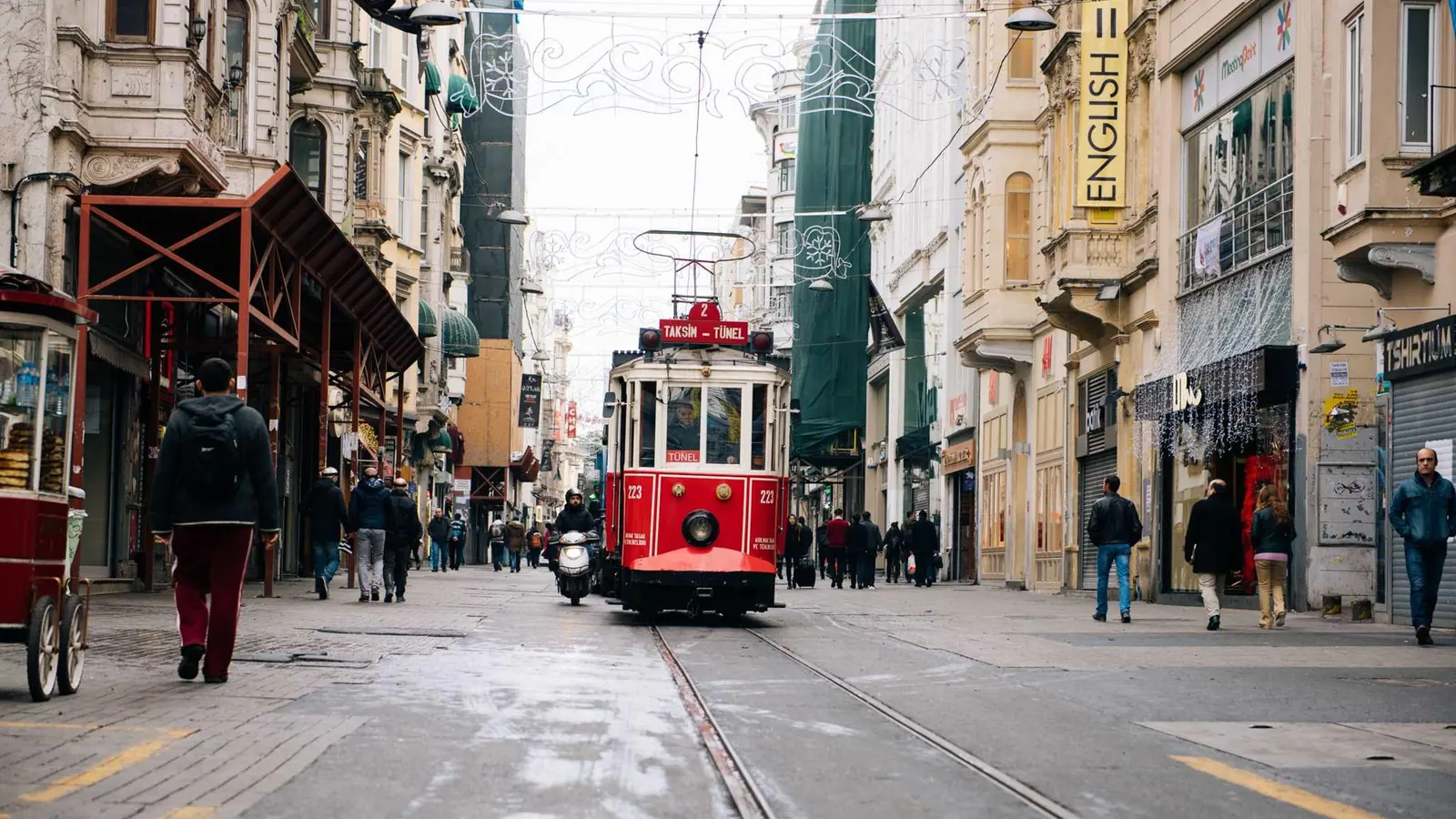
- A phone is a strong street photography camera because it is always with you, quiet and far less intimidating than a large camera.
- Locking focus and exposure in advance, then waiting for someone to enter a well-lit scene, works better than chasing people.
- Laws and customs around photographing people in public differ by country, so learn local norms and take extra care with children and vulnerable people.
- Honest street photos are cropped and toned, never altered by adding or removing people.
Street photography is candid photography of everyday life in public places: people, gestures, light and coincidences captured as they happen, without staging. A phone suits it well because it is always in your pocket, makes little noise and draws far less attention than a large camera, so people tend to keep behaving naturally around you.
Good street photos rarely come from wandering and hoping. They come from noticing a promising scene, preparing for it and waiting for the right moment, while treating the people in your frame with respect. This guide covers both halves: technique and etiquette.
Why is a phone such a good street camera?
The best street camera is the one you have when something happens, and a phone is almost always within reach. It has other quiet advantages too:
- It looks ordinary. Everyone holds a phone, so raising one rarely changes how people act. A big lens pointed at someone does.
- Deep focus by default. Small phone sensors keep a lot of the scene sharp, so you don’t have to nail focus on a moving subject the way you might with a large sensor.
- Wide field of view. The main 1x camera is wide enough to show a person in context, the street, the shop, the weather, which is often what makes the story.
- Instant review. You can check framing and exposure in a second and adjust before the scene changes.
The trade-offs are real: phones lag a little more than dedicated cameras, struggle in deep shade and at night, and their wide lenses distort people near the frame edges. Working with those limits is part of the craft.
Which phone settings help you catch the moment?
Menu names and gestures differ between models and software versions, so check what your own phone offers.
- Lock focus and exposure before the moment. Tap where your subject will be, press and hold until the lock appears (on iPhone it reads “AE/AF Lock”), and the phone won’t hunt when someone walks in.
- Learn your burst gesture. On recent iPhones, sliding the shutter button to the left fires a burst; many Android phones use press-and-hold or a similar swipe. Bursts help with strides, jumps and gestures that last a fraction of a second.
- Use the volume button as a shutter. Most phones allow it, letting you hold the phone more steadily and naturally.
- Stay on 1x or 2x. The main lens is sharpest and fastest. Ultra-wide stretches people at the edges, and the longest telephoto can feel intrusive from a distance.
- Consider motion photos. iPhone Live Photos and similar Android features let you pick a different key frame later, although that frame may be lower quality than a normal still.
- Turn on the grid. It helps you keep buildings upright while working quickly; here is how to switch on the grid on iPhone and Android.
How do you find and compose street scenes?
Find the stage, then wait for the actor
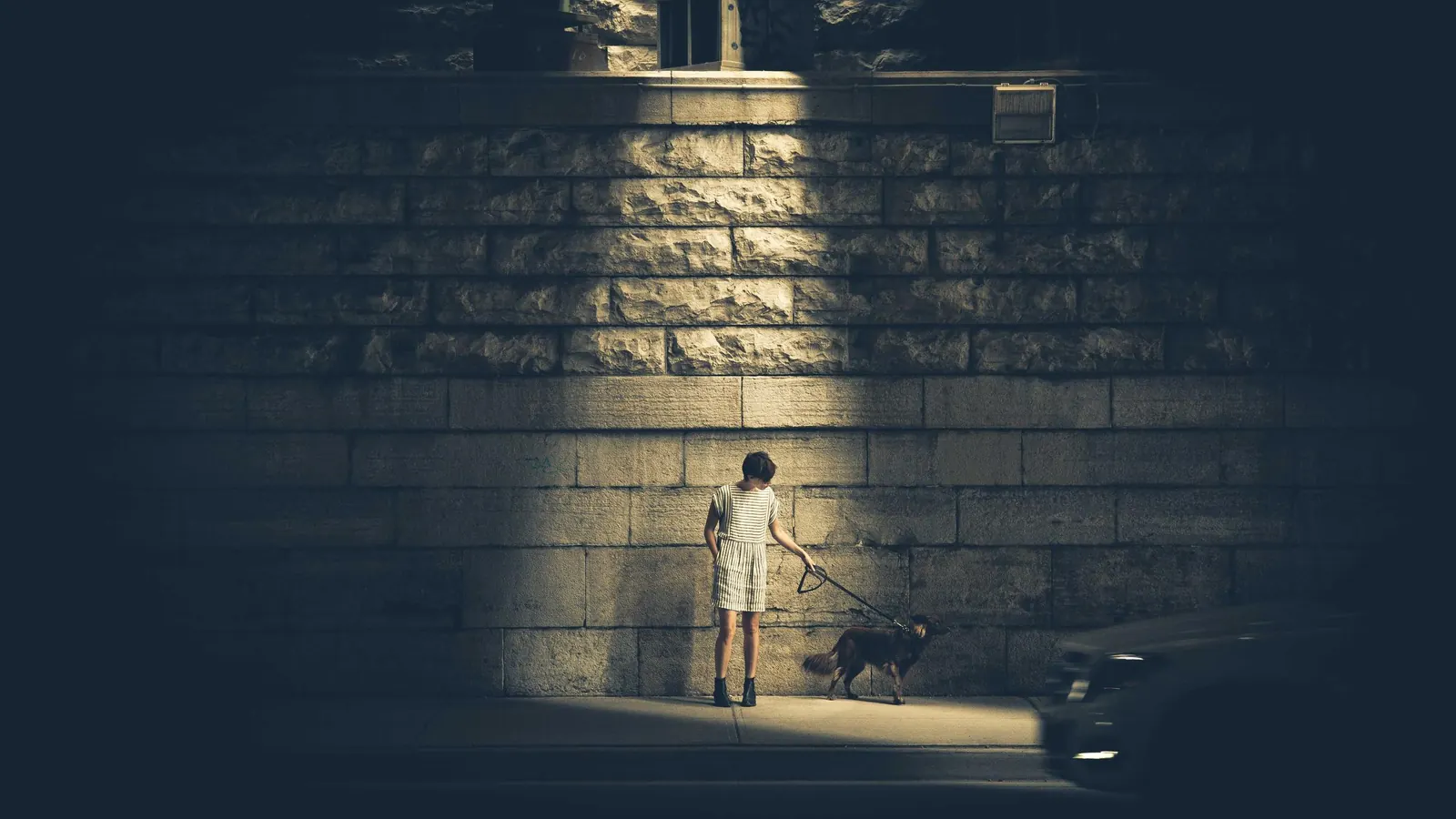
Instead of chasing people, look for a strong setting: a patch of sunlight, a colorful wall, a doorway, a shop window with interesting reflections. Frame it, lock focus and exposure, and wait for someone to walk into the best spot. This approach gives you control over background and light, and it is far less intrusive than following someone.
Use hard light and shadow
Midday sun, usually a problem for portraits, can be a gift on the street. Deep shadows hide clutter, and strips of light between buildings act like spotlights. Expose for the bright area so shadows fall to near black. Our guide to composing with light and shadow goes deeper. Early and late in the day, low sun stretches shadows into long graphic shapes; see golden hour and blue hour for timing.
Build layers and frames
Street scenes become richer with something in the foreground, a subject in the middle and context behind. Doorways, arches and windows can isolate a figure inside a busy scene. Our piece on foreground, middle ground and background shows how to stack these planes on purpose.
Wait for gesture
The difference between an ordinary and a memorable street photo is often a gesture: a raised hand, a glance, a stride caught mid-air. Watch people’s rhythm and shoot just before the peak, since phones add a small delay.
How do you photograph strangers respectfully?
Street photography involves real people who did not ask to be photographed, so ethics are part of the practice, not an afterthought. Laws on photographing and publishing images of people in public places vary significantly by country, and commercial use usually has stricter rules than personal or editorial use. This is not legal advice; if you plan to sell or publish widely, check the rules where you shoot.
- Learn local norms. In some places, photographing in public is widely accepted; in others, people expect to be asked, and in some religious or private spaces photography is unwelcome. When you travel, observe how locals react before you start.
- Be extra careful with children and vulnerable people. Avoid photographing children without a parent’s consent, and don’t photograph people in distress, unhoused people or anyone in a moment they would not want shared.
- Be open, not sneaky. Shooting from the hip or hiding the phone tends to look worse if noticed. If someone sees you, smile, make eye contact and be ready to explain.
- Delete on request. If someone asks you to delete a photo, show them and do it. No single picture is worth someone feeling violated.
- Think before posting. Taking a photo and publishing it are different acts. Ask whether the person is shown with dignity, and remember that photos can carry location data; here’s how to remove location information before sharing.
Asking permission is always an option. You may lose the candid moment, but you often gain a better portrait and a conversation.
How do you edit street photos honestly?
Street photography’s value lies in being real, so keep edits to crop, straightening, exposure, contrast and color. Black and white is a long-standing choice because it removes distracting colors and emphasizes light and gesture. Don’t add or remove people, signs or objects; our article on generative AI versus authentic editing explains why that line matters.
Cropping, on the other hand, is honest and powerful. A wide street frame often contains a tighter, stronger picture, and trying several versions is a great way to learn what the scene was really about. An app like WisWit suggests several crops from the same photo and explains why each one works, without ever altering faces or people. For phone-specific basics like steadiness and exposure, see our smartphone photography guide, and if you also photograph places on the road, our tips on travel photography with a phone pair naturally with this one.
What mistakes do beginners make with phone street photography?
| Mistake | Fix |
|---|---|
| Photographing people’s backs from far away | Find a scene people walk toward you, or move closer and stay put |
| Too much in the frame | Pick one subject and one supporting element; crop the rest later |
| Zooming in from a distance | Stay on 1x or 2x and get physically closer, openly |
| Blown-out bright areas | Lock exposure on the brightest part of the scene |
| Tilted horizons from shooting fast | Use the grid and level, or straighten during editing |
Try this: the one-corner challenge
- Choose a busy street corner with interesting light or a strong background.
- Stay there for 30 minutes without moving more than a few steps.
- Frame one scene, lock focus and exposure, and wait for people to enter it; shoot bursts when they do.
- Change the scene only after you have at least ten attempts.
- At home, choose your best three frames and try two crops of each before deciding which tells the clearest story.
Staying in one place feels slow at first, but it is how you learn to anticipate moments rather than react to them.
Frequently asked questions
Is it legal to photograph strangers in public?
It depends on the country. In many places, photographing people in public spaces is generally allowed, but publishing or using images commercially can require consent, and some countries protect a person’s image more strongly. Rules also differ for private property, religious sites and children. If you plan to publish widely or sell photos, check local law or seek legal advice.
Should I ask permission before taking a street photo?
There is no single rule. Candid photos capture natural moments that disappear once people notice you, but asking is always respectful and often leads to better portraits. A good middle ground is to shoot openly, be ready to explain, delete on request, and ask first in sensitive situations, with children, or in places where local customs expect it.
Which lens is best for street photography on a phone?
The main 1x camera is usually best: it has the largest sensor, the fastest response and a wide view that shows people in context. A 2x setting works well for slightly tighter framing. The ultra-wide lens distorts people near the edges, and a long telephoto from far away tends to feel intrusive and gives flatter, less immersive images.
How can I take street photos without people noticing?
Rather than hiding, aim to blend in. Stay in one spot so people get used to you, keep the phone at chest height, and use the volume button as a shutter. Pre-set focus and exposure so you need only a quick press. Being relaxed and open draws less attention than sneaking, and is more respectful if someone does notice.
Why does the shutter sound play on my phone in some countries?
In a few countries, such as Japan and South Korea, phones sold there typically play a shutter sound that cannot be turned off, as a deterrent against covert photography. Elsewhere, muting the phone usually silences it. Either way, a silent shutter is not a substitute for respect; behave as if people can always see you taking pictures.