Golden Hour and Blue Hour: Shooting the Best Light With a Phone
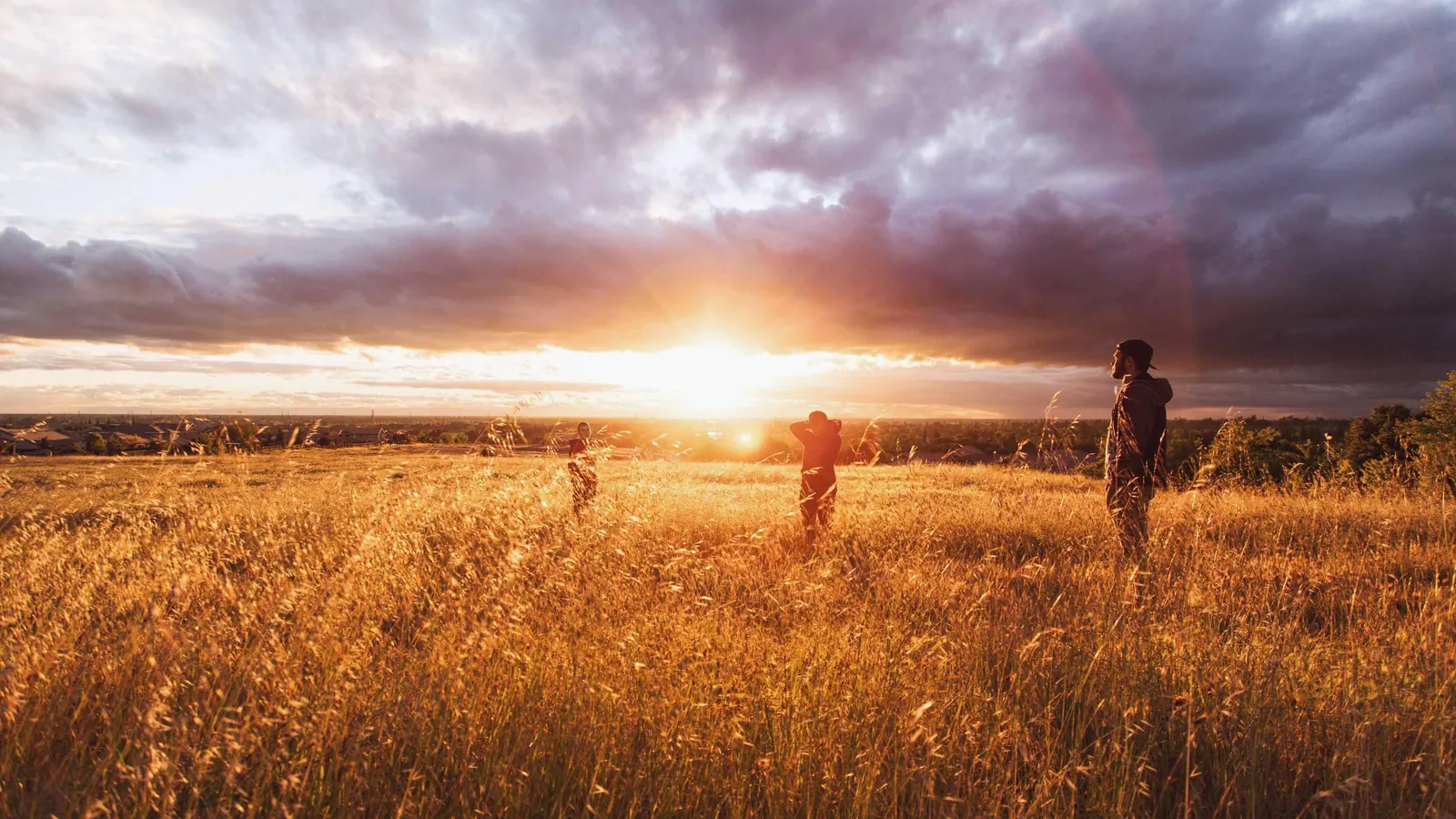
- Golden hour is the period shortly after sunrise and before sunset when the low sun gives warm, soft, directional light with long shadows.
- Blue hour is the short twilight window after sunset or before sunrise when the sun is just below the horizon and the sky turns deep blue.
- Neither lasts exactly an hour: the length depends on your latitude and the season, and is shortest near the equator and around the equinoxes.
- On a phone, tap the bright sky and lower exposure to protect highlights, and hold the phone steady or brace it for blue hour.
Golden hour is the short period after sunrise and before sunset when the sun sits low in the sky and light turns warm, soft and directional. Blue hour is the twilight just before sunrise or after sunset, when the sun is below the horizon and the sky glows deep blue. Both flatter almost any subject, especially on a phone.
Phones struggle most with harsh contrast and with darkness. Golden hour removes the first problem, because low light is gentler, and blue hour sits right at the edge of the second. Knowing when each window opens, and what to change on your phone for each, is one of the quickest ways to make your photos look more considered.
What makes golden hour and blue hour light so different?
When the sun is low, its light travels through much more atmosphere before reaching you. Shorter blue wavelengths are scattered along the way, so the light that arrives is warmer. Because it comes from the side rather than from above, it also creates long shadows that reveal texture and shape. After the sun dips below the horizon, there is no direct light at all; the scene is lit only by the glowing sky, which turns blue as the remaining sunlight scatters high in the atmosphere.
| Golden hour | Blue hour | |
|---|---|---|
| Sun position | Low, just above or touching the horizon | Just below the horizon |
| Light color | Warm gold, orange, pink | Cool blue, violet near the horizon |
| Shadows | Long and directional | Almost none; light is very soft |
| Best subjects | Portraits, landscapes, textures, silhouettes | City lights, waterfronts, illuminated buildings |
| Main phone challenge | Bright sky versus darker foreground | Low light and camera shake |
When exactly do they happen, and how long do they last?
Despite the name, golden hour is rarely exactly sixty minutes. A common working definition is the time when the sun is roughly 6 degrees or less above the horizon; blue hour roughly corresponds to the sun sitting between about 4 and 6 to 8 degrees below it. How quickly the sun moves through those angles depends on where you are and when.
- Near the equator, the sun rises and sets steeply, so both windows are short.
- At mid and high latitudes, the sun crosses the horizon at a shallower angle, so the windows stretch out.
- Around the spring and autumn equinoxes, they are at their shortest for a given place; toward midsummer and midwinter they lengthen.
- Blue hour is usually shorter than golden hour, often well under an hour, and the deepest blue may last only a few minutes.
Rather than memorizing numbers, check sunrise and sunset times in your phone’s weather app and plan to arrive at least 30 minutes before sunset. Many free planning apps also show golden and blue hour times for your exact location.
How do you plan a golden hour shoot?
- Pick the direction. Decide whether you want the sun behind you, beside you or in front of you, then choose a spot where the sun will set or rise in that direction. A west-facing beach suits sunsets; an east-facing viewpoint suits sunrises.
- Scout in daylight. Visit earlier, find a clean background and a clear horizon, and note where shadows of buildings or hills will fall as the sun drops.
- Arrive early. The best light often comes in the last 20 minutes before sunset, and you want to be set up by then.
- Stay late. Many people leave the moment the sun disappears and miss the afterglow and blue hour that follow.
- Check the clouds. A completely overcast sky may hide the sun entirely, while broken clouds near the horizon can catch spectacular color.
How do you photograph golden hour with a phone?
Protect the sky
The sky is usually far brighter than the ground. Tap on a bright part of the sky, then drag the exposure slider down until the colors look rich rather than washed out. A slightly dark foreground is easier to lift later than a white sky is to recover. On iPhone, press and hold to lock focus and exposure before recomposing; Android camera apps offer similar controls, though names vary by model.
Choose the light direction
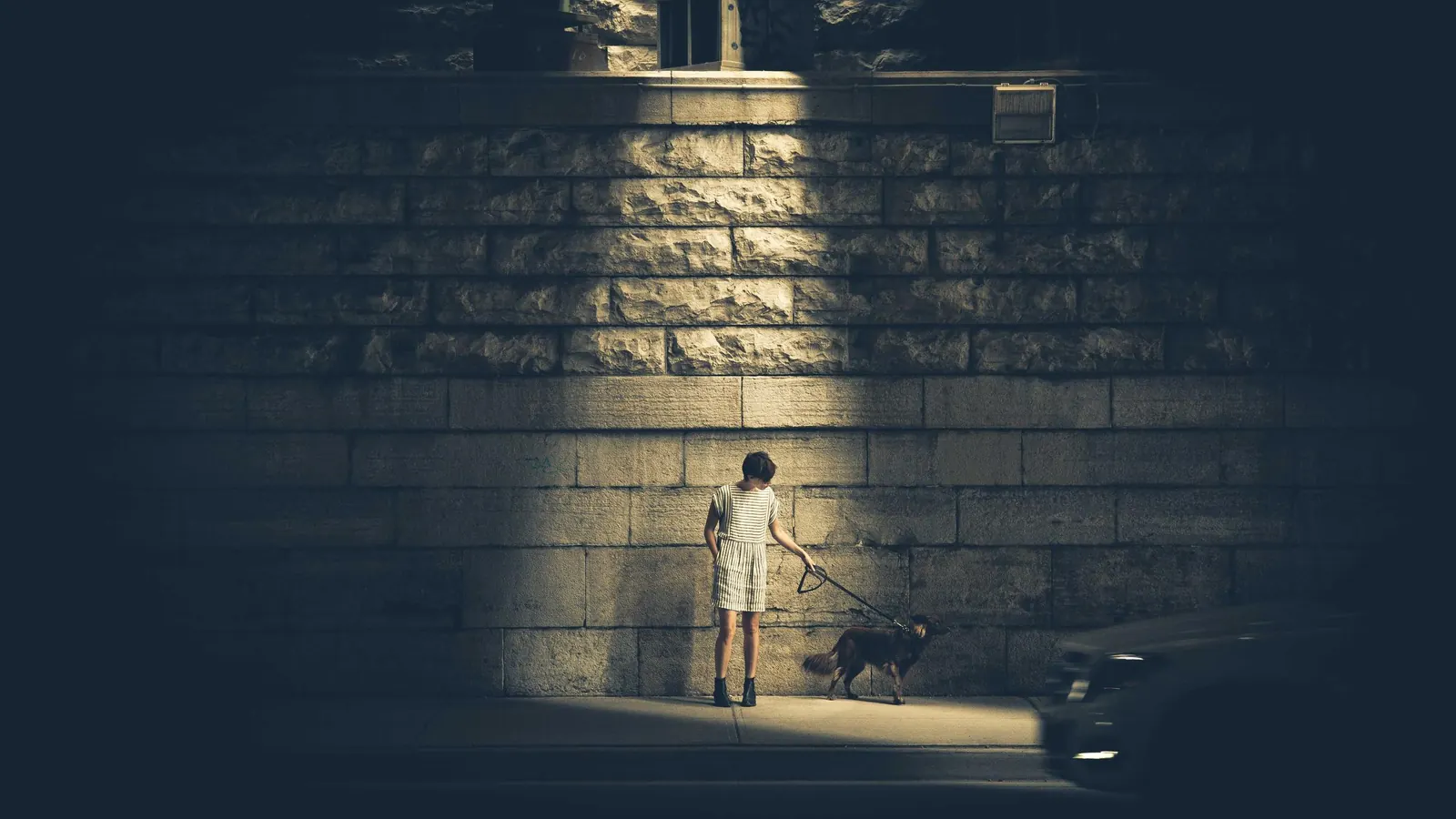
- Side light rakes across surfaces, bringing out stone, bark, sand ripples and facial contours. For more on reading shadows, see composing with light and shadow.
- Backlight gives glowing hair, translucent leaves and silhouettes. Expose for the sky and let the subject go dark, or place the sun just behind an edge to tame flare.
- Front light bathes faces in warm color but can make people squint; turn them slightly away from the sun.
For people, golden hour is the most forgiving time of day. Our guide to portraits with a phone shows how to position someone so the low sun flatters rather than blinds.
Keep the warmth
Automatic white balance sometimes neutralizes the very warmth you came for. If the photo looks colder than the scene, nudge the warmth slider up slightly when editing rather than piling on a filter. Small changes keep the colors believable. Wiping the lens matters more than usual too, since shooting toward the sun turns every smudge into haze.
How do you shoot blue hour with a phone?
Blue hour is quieter and dimmer, and the goal changes from controlling contrast to gathering enough light without blur.
- Brace the phone. Lean on a railing, wall or bench, or use a small tripod. Night mode on many phones activates automatically in low light and captures over one or more seconds; stay still until it finishes.
- Shoot early in the window. In the first part of blue hour, the sky still has enough brightness to balance city lights. Later, the sky goes black and lit windows burn out.
- Look for mixed light. Blue sky with warm streetlights, illuminated bridges or café windows creates natural color contrast.
- Use reflections. Wet pavement and calm water double the lights and fill dark parts of the frame.
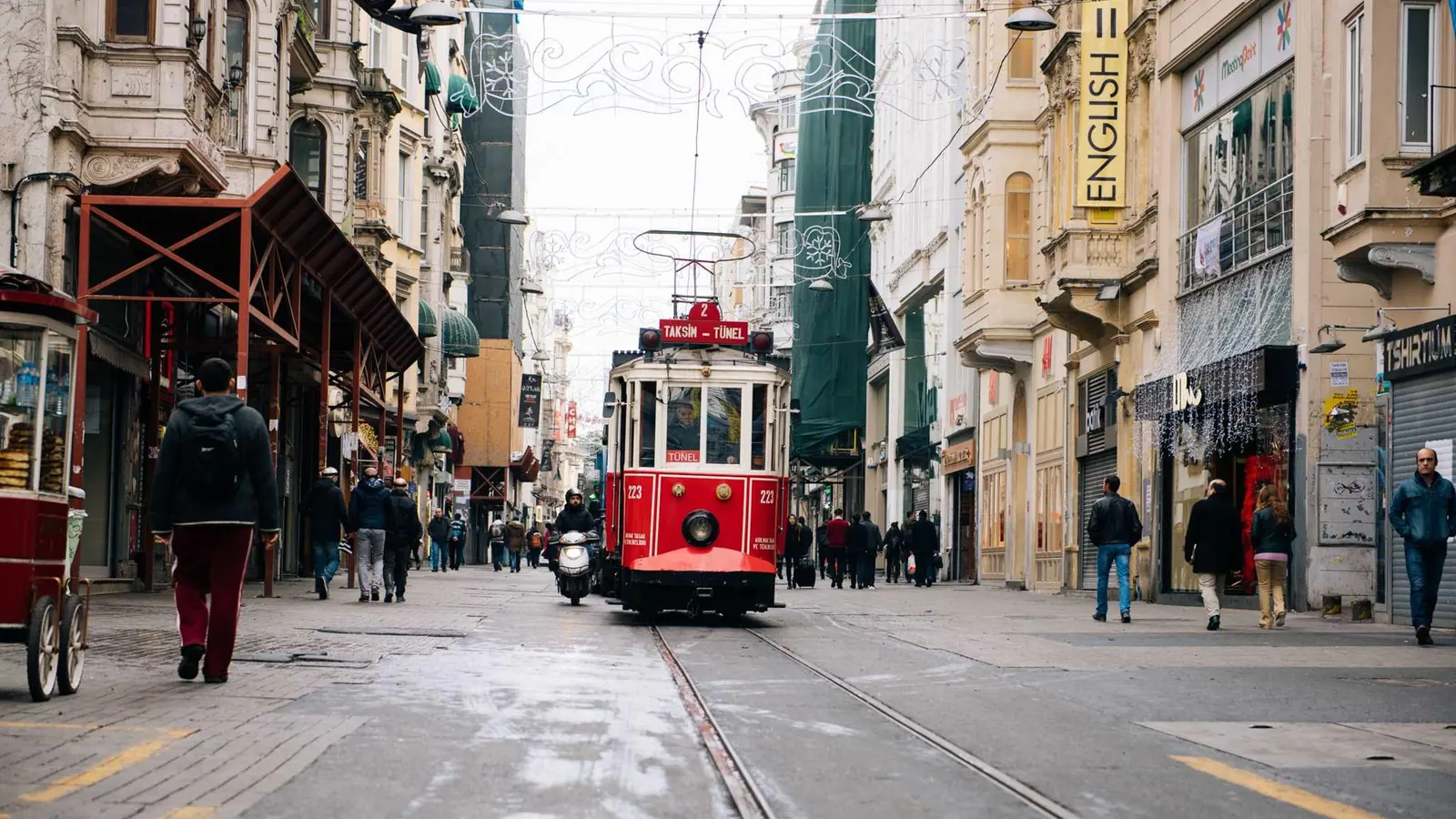
Blue hour is also excellent for city scenes on the move; our piece on travel photography with a phone covers building a whole day around these light windows.
What if the weather or your schedule doesn’t cooperate?
Not every evening delivers. On overcast days, the light around sunset is soft but not golden, which still suits portraits and food. If you can only shoot at midday, look for open shade, reflected light from pale walls, or move indoors to a window; see our smartphone photography guide for more ways to find good light at any hour. Our street photography guide also shows how harsh midday shadows can become a graphic tool.
Back home, golden hour frames often benefit from a careful crop, because wide sunset scenes tend to include too much empty foreground. An app like WisWit can suggest several crops from the same photo and explain why each one works, and saves your choice as a separate photo. Keep color edits gentle; the light already did the work. Where you place the horizon makes a big difference here, so our guide on where to put the horizon line is worth a look.
Try this: one place, two windows
- Choose a spot you can reach easily, such as a park, rooftop or seafront.
- Arrive 40 minutes before sunset and take the same frame every 10 minutes.
- Keep shooting for 30 minutes after sunset, bracing the phone for the final frames.
- At home, lay the photos out in order and notice how color, shadow length and mood change. You will start to recognize the exact moment you prefer, and plan for it next time.
Frequently asked questions
Is golden hour really one hour long?
Not exactly. Golden hour is defined by the sun’s height above the horizon, not by the clock, so its length changes with latitude and season. Close to the equator it can be quite short because the sun sets steeply. At mid and high latitudes, and especially toward midsummer and midwinter, it can last longer than an hour. Check local sunset times and arrive early.
Is golden hour better in the morning or the evening?
The light itself is similar, but the conditions differ. Mornings are usually calmer, with fewer people around, cleaner air in many cities and sometimes mist over water or valleys. Evenings are easier to plan for and often have more dramatic clouds after a warm day. Choose based on which direction your location faces and when it is quiet enough to work.
Why do my sunset photos look washed out on my phone?
The phone is usually exposing for the darker foreground, which leaves the bright sky overexposed and pale. Tap on the brightest part of the sky and slide exposure down until the colors return. A clean lens also matters, since smudges create haze when shooting toward the sun. Avoid strong filters afterwards; a small warmth adjustment is usually enough.
Do I need a tripod for blue hour?
Not necessarily. Modern phone night modes combine several frames and can produce sharp results handheld if you stay very still. Bracing the phone against a wall, railing or bench helps a lot. A small tripod becomes useful later in blue hour, for longer night-mode captures, or when you want several identical frames of the same scene.